1. One-stop high-performance FPC and PCBA solutions, supporting 1–12 layer designs.
2. Support 24-hour rapid prototyping, using in-stock UL-certified materials.
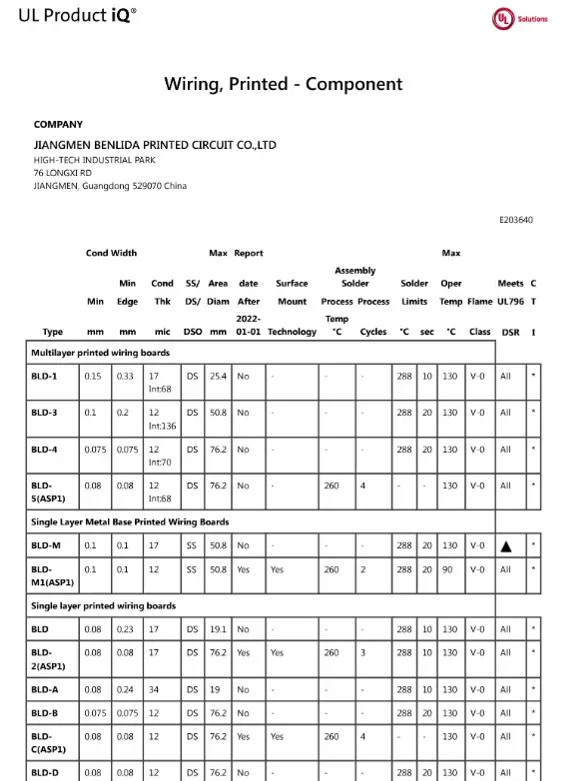
3. UL certificate numbers, ISO certifications, and 100% quality assurance identification.
4. Strong in-house manufacturing capability with professional SMT, DIP, and Functional Testing production lines.
5. Support high-performance substrates such as PI, PET, and PTFE, and provide complete PCBA delivery services, including supply chain management, SMT, DIP, firmware flashing, and box-build assembly.
Application Area
Smartphone Camera Modules
In smartphone camera systems, FPCs connect image sensors to the mainboard. Due to extremely compact internal spaces, the ultra-thin profile, as thin as 0.1mm, and flexibility of FPCs enable three-dimensional routing in tight corners while meeting impedance control requirements for high-speed signal transmission. Flexible PCB solutions allow designers to integrate multiple layers of circuits without increasing device thickness, improving overall device performance and reliability.
Smartwatches & Wearables
Smartwatches integrate displays, sensors, batteries, and processors in minimal space. FPCs can bend to match curved surfaces and connect functional modules, reducing weight by over 70% compared to traditional wire harnesses while providing better vibration resistance for fitness tracking and health monitoring applications. Flexible PCBs support high-density layouts and multi-layer interconnects, enabling wearables to maintain a slim profile without compromising electrical performance.
Medical Endoscopy & Probes
Medical endoscopes require FPCs to transmit high-definition image signals through tubes only millimeters in diameter. The high flexibility allows navigation through complex physiological curves inside the human body while maintaining a minimal footprint and biocompatibility for patient safety. Flexible circuits also ensure consistent signal integrity for real-time imaging, crucial for diagnostic accuracy in advanced healthcare devices.
Automotive Displays & Battery Packs
In electric vehicles, FPCs replace traditional wire harnesses in Battery Management Systems for cell voltage monitoring. They offer neat wiring, better heat dissipation, and support automated assembly. Flexible PCBs are also used in rotating or folding dashboard displays, ensuring reliable signal transmission in moving joints while maintaining durability under vibration, temperature changes, and repeated flexing.
| Application Area | Key Features / Advantages |
|---|
| Smartphone Cameras | 3D routing in ultra-tight spaces |
| Wearables | Conform to curved surfaces; weight saving |
| Medical Endoscopy | Navigate through physiological curves |
| Automotive EVs | Replace wire harnesses; neat integration |
Flexible PCB in High-Density Consumer Electronics
Flexible PCBs enable high-density routing in applications where space is extremely limited and traditional rigid boards cannot fit. In consumer electronics and wearable devices, bendable circuits allow designers to integrate displays, sensors, and batteries into compact enclosures without compromising signal integrity or thermal management. By reducing wiring complexity and overall weight, Flexible PCBs improve both device performance and user experience, supporting miniaturization trends across smartphones, fitness trackers, and portable medical equipment.
Flexible PCB in Automotive and Industrial Systems
In automotive and industrial systems, Flexible PCBs provide reliable connections in dynamic environments where traditional wiring or rigid boards would fail. Their ability to withstand repeated bending and folding makes them ideal for EV dashboard displays, battery management systems, and robotic actuators. Flexible circuits maintain consistent electrical performance under vibration, temperature changes, and mechanical stress, ensuring long-term reliability in mission-critical applications. Engineers rely on FPCs to simplify wiring harnesses, improve heat dissipation, and facilitate high-volume automated assembly while supporting compact, movable components.
Technical capability overview
| Capability Item | Specification |
| Minimum Hole Diameter | 0.05 mm – 0.10 mm |
| Minimum Line Width / Spacing | 0.10 mm |
| Operating Temperature Range | -40°C to +150°C |
UL certification

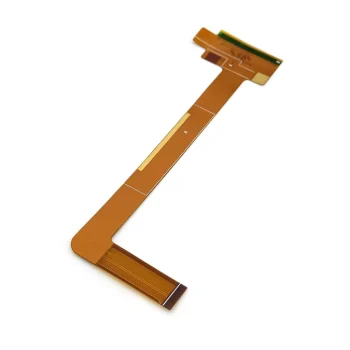
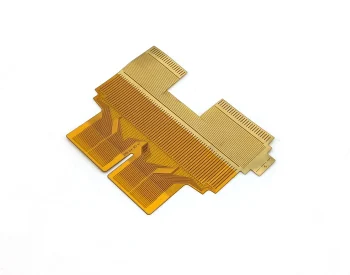
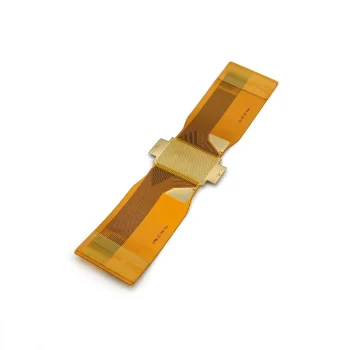
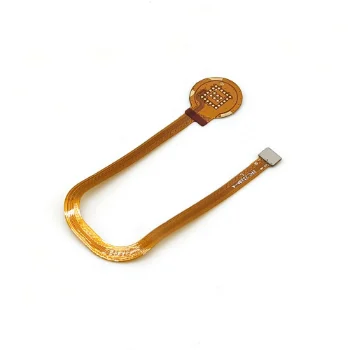
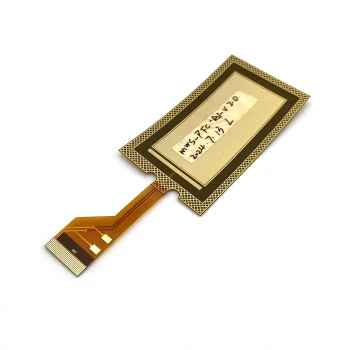
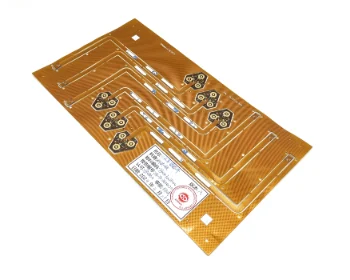
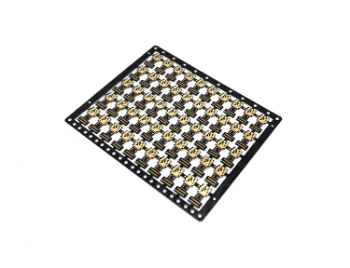
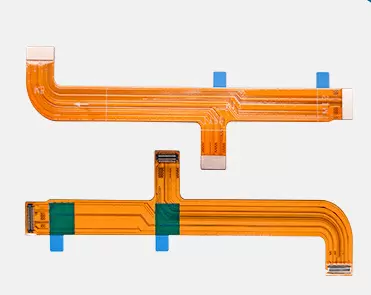
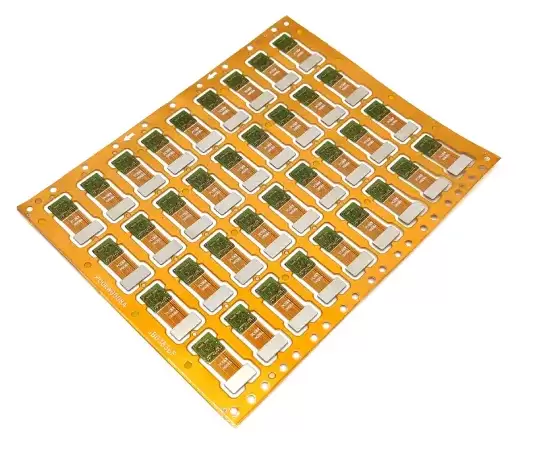
Flexible PCB Products Display




 en
en




 WhatsApp